







Automotive Cleanroom Efficiency: Modular Panels That Accelerate EV Battery Line Setup
Learn how modular cleanroom panel systems help automotive manufacturers launch EV battery production lines faster with less downtime and lower construction costs.
The automotive industry is undergoing its biggest transformation in a century with the shift to electric vehicles. Battery manufacturing, electric motor assembly, and power electronics production all require controlled environments that can be built quickly and adapted as production volumes and designs evolve. For plant managers and construction contractors in the automotive sector, the speed and flexibility of cleanroom enclosure systems directly impacts time-to-market for new vehicle programs.
Speed of Deployment Through Modular Construction
Traditional cleanroom construction methods require weeks of on-site fabrication, generating dust, debris, and scheduling conflicts with production equipment installation. modular cleanroom wall panels change the equation by delivering pre-engineered, factory-finished sections that assemble on-site in a fraction of the time. A clean room modular systems approach allows automotive manufacturers to begin production in clean zones months ahead of conventional construction timelines. The cleanroom panel used in automotive applications feature robust steel or aluminum skins with fire-rated cores that meet both cleanroom performance and building code requirements without additional finishing. sandwich panel manufacturers who specialize in cleanroom systems offer standardized panel dimensions optimized for automotive facility grids, reducing waste and enabling rapid procurement. clean room installation crews trained in modular systems can erect complete cleanroom enclosures around production equipment without disassembling the equipment first, preserving calibration and validation status.
Reconfiguration for Evolving Production Needs
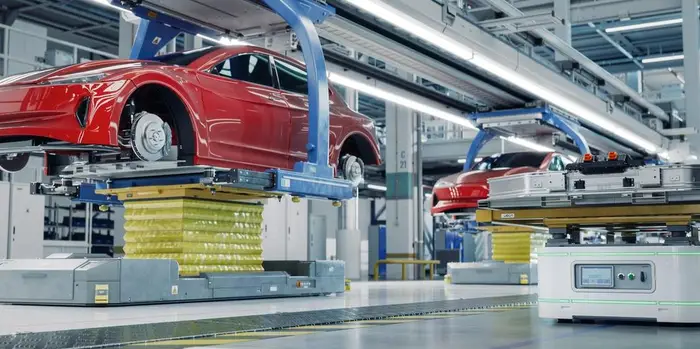
Automotive production lines evolve continuously as designs are refined and volumes fluctuate. modular cleanroom construction methods using demountable panel systems allow cleanrooms to be expanded, reduced, or relocated as production requirements change. This flexibility is particularly valuable for battery manufacturers who must scale capacity rapidly to meet market demand while managing the risk of overbuilding for uncertain long-term volumes. Panel systems designed for multiple disassembly and reassembly cycles maintain seal integrity through specialized reusable gasket profiles, ensuring that relocated sections perform identically to their original installation. The modular approach also simplifies maintenance access, as individual panel sections can be removed and replaced without disturbing the surrounding cleanroom envelope.
Total Cost Advantages for Automotive Programs
When evaluating cleanroom solutions for automotive manufacturing, the total installed cost including time value of production revenue consistently favors modular panel systems. The ability to begin revenue-generating production months earlier, combined with lower lifetime reconfiguration costs and reduced maintenance expenses, delivers compelling return on investment. Automotive OEMs and tier suppliers who have adopted modular cleanroom strategies report significant competitive advantages in program timing and capital efficiency.
