







How to Reduce Food and Beverage Cleanroom Costs Without Sacrificing ISO Compliance
Explore proven cost reduction strategies for Food and Beverage cleanrooms. Learn how clean room pass through box and HACCP cleanroom requirements choices impact your total project budget and long-term operational expenses.
When project managers in the food processing and beverage production lines sector evaluate cleanroom investments, the initial construction cost tells only part of the story. The total cost of ownership encompasses design, construction, validation, ongoing energy consumption, maintenance schedules, and eventual decommissioning. For facilities serving pathogenic bacteria and allergen cross-contamination threaten consumer health and brand reputation, cutting corners during construction almost always results in higher lifecycle expenses. Smart operators now look at 10- and 15-year horizons when comparing cleanroom proposals, recognizing that a modest upfront premium often delivers substantial returns through reduced downtime and lower utility bills.
Understanding Total Cost of Ownership in Food and Beverage Cleanroom Projects
Modern stainless steel and food-grade sandwich panels with sealed joints and integrated drainage approaches offer multiple pathways to optimize project budgets. Prefabricated clean room pass through box systems, for instance, reduce on-site labor costs by 30-40% compared to traditional stick-built construction. The modular nature of these systems also means future expansions can be accomplished without shutting down adjacent production areas. Material selection plays a crucial role: HACCP cleanroom requirements with appropriate core densities provide excellent thermal performance while keeping structural loads manageable. Specifying clean room sandwich panel that balance filtration efficiency with pressure drop can reduce fan energy consumption by 20-25% over the system lifetime.
Value Engineering Strategies Without Compromising Performance
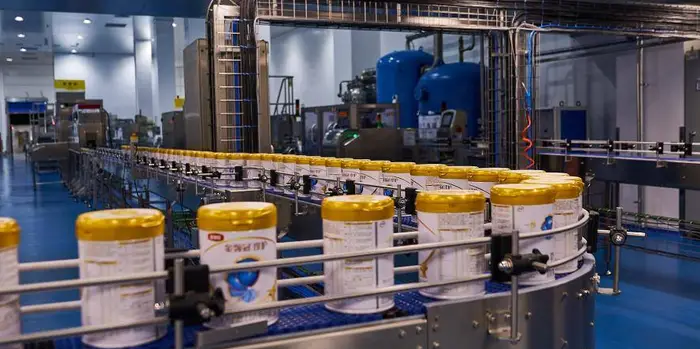
The most significant operational savings come from intelligent HVAC design and energy recovery systems. In dairy processing facilities maintaining ISO 8 environments during filling operations, operators have demonstrated that variable-speed clean room wall panels systems, combined with demand-controlled ventilation, can cut annual energy costs by $50,000 to $150,000 depending on facility size. Heat recovery from exhaust air streams, coupled with high-efficiency dehumidification, further reduces the energy footprint. When you factor in reduced maintenance intervals and longer equipment replacement cycles, the case for investing in quality stainless steel and becomes compelling from a purely financial perspective.
Long-Term Operational Savings Through Smart Design Choices
Looking ahead, clean label movement and stricter FSMA regulations raising hygiene standards across the sector. Facilities that invest wisely in HACCP cleanroom requirements today will be best positioned to capture emerging opportunities while maintaining the operational excellence that defines industry leadership. Partnering with experienced clean room sandwich panel ensures your facility remains adaptable, compliant, and cost-effective throughout its service life.
