







modular petrochemical labs Meets Strict Cleanliness Standards in Automotive Manufacturing
usp 800 testing labs and modular labs help Automotive Manufacturing facilities meet strict cleanliness and safety standards.
Modular Petrochemical Labs Meet Strict Cleanliness Standards in Automotive Manufacturing
Automotive manufacturers running in-house fluid, coating, and materials testing increasingly rely on modular petrochemical labs built to handle both the cleanliness and chemical safety requirements these test programs demand, particularly as electric vehicle programs introduce new battery chemistry testing needs.
Regulatory alignment matters for labs handling hazardous test materials. Facilities operating under usp 800 testing labs-style hazardous handling protocols need containment features integrated into the lab design, not added as an afterthought once testing programs are already underway.
Consistency across multiple plant labs also supports compliance. Standardizing on the same modular labs specification across an automotive manufacturer's various test facilities makes it easier to demonstrate uniform safety practices during internal or third-party audits. Compliance factors specific to automotive petrochemical testing:
- Chemical containment features built into the modular design from the start
- Ventilation and fume handling sized for the specific test materials in use
- Consistent safety documentation across multiple plant locations
- Material compatibility verified for the full range of fluids tested
Building Modular Labs for Evolving Automotive Test Programs
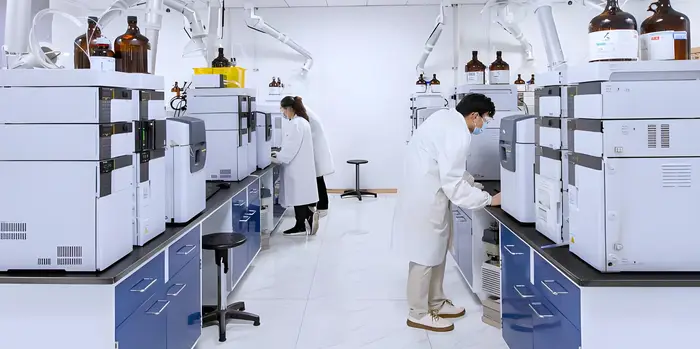
Manufacturers should specify modular laboratory buildings with utility infrastructure sized for evolving battery and materials test programs, since electric vehicle development is introducing test requirements that didn't exist in traditional automotive labs.
Facilities should also plan for the flexibility a modular science lab approach offers, since test protocols for new battery chemistries and materials are still evolving industry-wide and labs built too rigidly may struggle to adapt.
For manufacturers managing several test programs at once, sufficient modular lab space allocated with room to grow avoids the disruption of a mid-program facility expansion once a new testing requirement is identified.
