



Ultra-Large Scale Optical Cleanroom Construction:Challenges and Solutions
In optical cleanrooms, surface outgassing, static generation, and micro-vibration transmission aren’t secondary concerns—they’re mission-limiting factors.
Specifying a cleanroom supplier isn’t about comparing price sheets—it’s about verifying field-proven integration capability across HVAC, structural, and process interfaces. Top-tier cleanroom manufacturers don’t just supply panels;
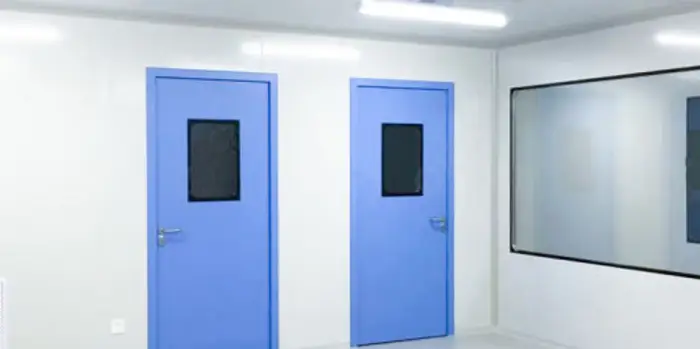
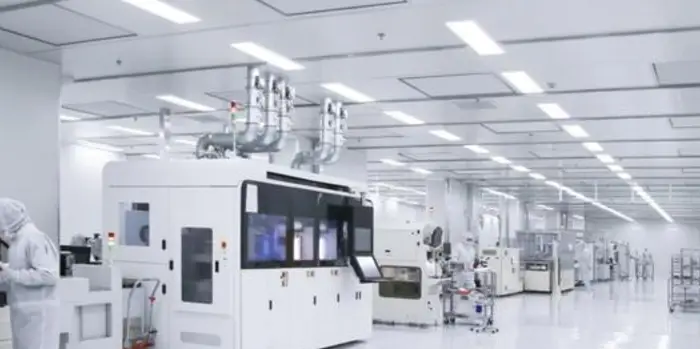
The solution lies in modular laboratory buildings: factory-built, ISO Class 5–7 compliant enclosures that deploy in weeks—not months. These systems integrate structural framing, HVAC, lighting, and cleanroom ceiling assemblies into coordinated, pre-validated modules.
That’s why leading aerospace integrators now specify modular laboratory buildings with seamless, non-shedding cleanroom ceiling systems—designed for rapid ffu installation without field-cutting or exposed fasteners.
Our clients increasingly specify HPL sandwich panel cores for walls and ceilings—offering superior fire rating (Class A), zero VOC emissions, and seamless weldable joints that eliminate harbor points.
Clean operating rooms serving advanced cellular therapies or aseptic processing rely on uniform, low-turbulence airflow—making the FFU T grid and supporting cleanroom ceiling grid system foundational.
Modern modular clean room panels deliver superior thermal resistance (U-values as low as 0.22 W/m²K), reducing HVAC load without compromising ISO 5–8 compliance.
Their engineered cleanroom wall, cleanroom wall panel, and cleanroom ceiling panel components are pre-fabricated to exact tolerances—ensuring consistent particulate control, chemical resistance, and easy decontamination.
Pre-engineered cleanroom wall and cleanroom ceiling panel assemblies arrive fully tested, labeled, and ready for dry-fit assembly — eliminating on-site welding, curing delays, or field-adaptation errors.